KELVINBRIDGE · GLASGOW
|TEL 0141 334 0557
BOOK NOW FOR IN-HOUSE ONE TO ONE OR VIRTUAL/REMOTE CONSULTATIONS
The Art of Choosing Coloured Gemstones and Diamonds
If you’re considering incorporating a coloured gemstone into your bespoke jewellery, the possibilities are almost endless — from rich deep blues and vivid greens to soft pastel tones and rare, unusual hues. But choosing the right stone is about far more than simply falling in love with a colour.
Not all coloured gemstones are suitable for daily wear. But with the right guidance, you can absolutely choose a stone that not only looks incredible, but lasts beautifully too.
Not All Gemstones Are Created Equal
Gemstones vary in hardness, durability, and resistance to everyday wear. If you are drawn to adding colour to your bespoke jewellery design then for maximum longevity, coloured diamonds are often a natural first choice, offering the same exceptional durability as white diamonds. More broadly, gemstone durability is measured using the Mohs scale of hardness, where diamonds sit at the very top (10), making them the hardest natural material used in jewellery — while other coloured gemstones fall at varying points below this and may require more considered wear and care. Coloured gemstones can range significantly — from sapphires and rubies (9 on the Mohs scale) to softer stones like opals, emeralds, and aquamarines, which require more care. This is where design and purpose become key.
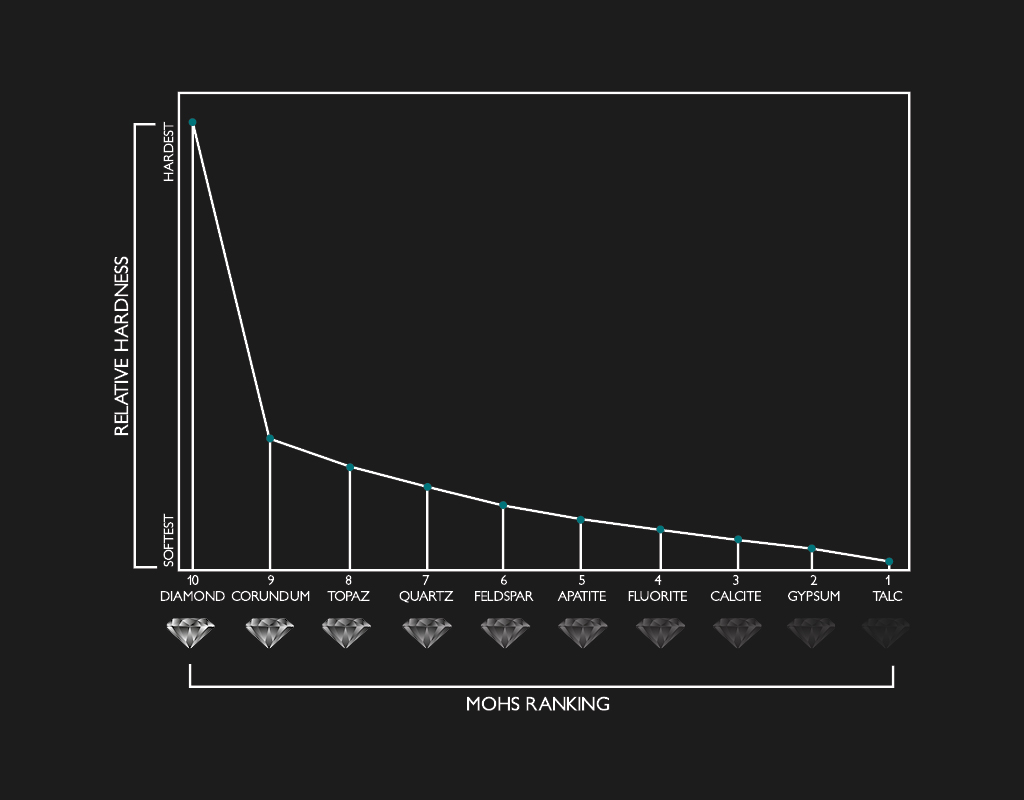
The simplified scale – developed by Friedrich Mohs in 1822 – is not exhaustive and more commonly known gemstones that are typically used in jewellery design are not shown. These gemstones, however, can still be reflected in the scale of hardness:
Ruby & Sapphire (both the Corundum family) – 9
Emerald, Aquamarine, Morganite (the Beryl family – 7.5
Amethyst and Citrine (both the Quartz family) – 7
Garnet – 6.5-7.5
Tanzanite – 6.5
Feldspar – 6
Opal – 6
When and how to use coloured stones
1. DRESS RINGS: Freedom to Be Creative
Dress rings offer the most flexibility when it comes to gemstone choice. As they’re not typically worn every day, you can be more adventurous with your selection.
Stones such as: Emerald, Sapphire, Ruby, Tanzanite, Aquamarine… all make stunning centrepieces for dress rings, where they’re less exposed to daily knocks and wear.
A coloured stone pairs really well with diamond side stones or diamond set band for extra sparkle.
2. ENGAGEMENT RINGS: Durability Matters
Engagement rings are worn every day, so durability becomes essential.
For this reason, if you are considering a coloured stone engagement ring we would typically recommend a coloured diamond first or alternatively: Sapphire or Ruby.
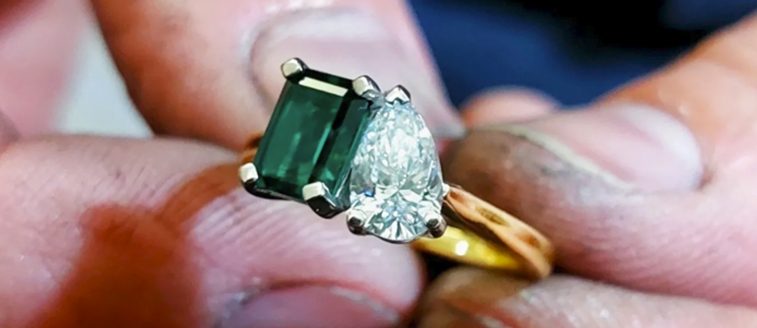
These stones are far better suited to withstand daily wear while maintaining their appearance over time. A Toi et Moi design is an excellent choice for those looking for a classic diamond look but with a colourful second stone.
That said, diamonds remain the most popular choice — not just for tradition, but for practicality. Their unmatched hardness makes them ideal for a lifetime of wear, which is why they continue to be the benchmark for engagement rings.
3. PENDANTS: Beauty Without the Wear
Pendants are one of the safest ways to wear more delicate gemstones. Because they’re less exposed to impact, you can confidently choose softer stones such as: Opal, Sapphire, Emerald. This makes pendants perfect for showcasing colour and individuality without the same durability concerns you’d have with a ring. (way more flexibility with stone choice due to where the piece is worn and less exposure to water, chemicals etc – aftercare still applies).
Pairing Coloured Gemstones with Diamonds
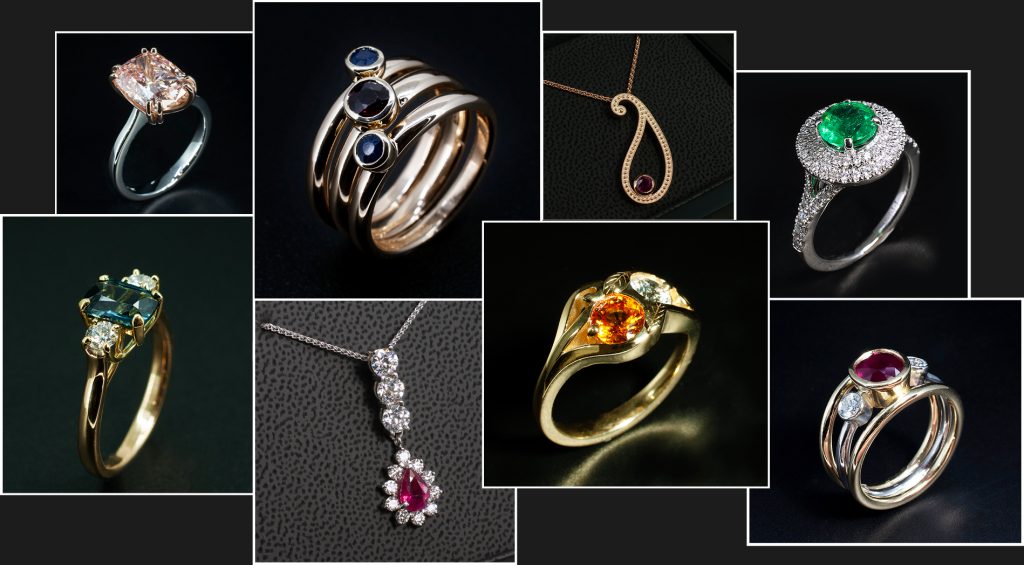
One of the most effective ways to elevate a coloured gemstone is by pairing it with diamonds. Diamond side stones not only add contrast and brilliance, but they also enhance the overall design while bringing durability into the piece. In engagement rings especially, this combination offers the best of both worlds — personality through colour, and longevity through diamonds. Lab Grown diamonds offer excellent value to include in your design as accompanying stones.
It’s a balance we often create for our clients, designing rings that feel unique while still standing the test of time.
Caring for Your Gemstone Jewellery
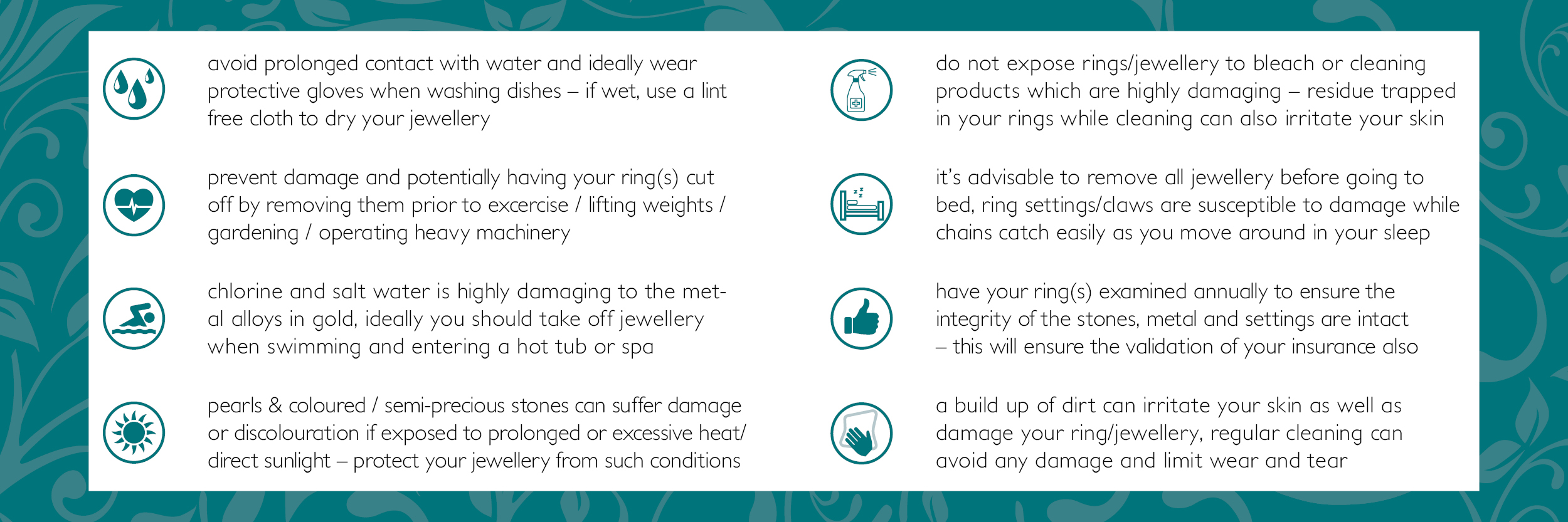
Caring for coloured gemstones is different to caring for diamonds — and it’s important to understand those differences.
Diamonds are incredibly resilient and can withstand more robust cleaning methods. Most coloured gemstones, however, require a gentler approach.
General care tips include:
- Avoid harsh chemicals and ultrasonic cleaners (especially for softer stones)
- Remove jewellery during activities such as exercise, cleaning, or gardening
- Store pieces separately to prevent scratching
- Clean gently with warm soapy water and a soft brush
Some stones, like emeralds and opals, are particularly sensitive and benefit from extra care and occasional professional cleaning.
For more detailed guidance, you can visit our aftercare page on the Blair & Sheridan website, where we outline how to look after your jewellery properly.
To summarise
Choosing a gemstone isn’t just about colour — it’s about how that piece will live with you.
Whether it’s a bold dress ring, a meaningful engagement ring, or an elegant pendant, the right gemstone choice comes down to balancing beauty, longevity, and design.
And while coloured gemstones offer incredible variety and personality, diamonds continue to play a central role — bringing strength, brilliance, and timeless appeal to every piece they’re part of.
If you’re considering a bespoke piece and would like guidance on the best gemstone for your lifestyle, Blair & Sheridan are always here to help you make the right choice.
OPENING HOURS
- BY APPOINTMENT ONLY
- Monday – 9.30am-5.00pm
- Tuesday – 9.30am-5.00pm
- Wednesday- 9.30am-5.00pm
- Thursday- 9.30am-5.00pm
- Friday – 9.30am-5.00pm
- Saturday — 10.00am-5.30pm